
Spot the real change through behaviour, culture, and what people actually do next.
This one’s for the post-training quiet. After the workshop’s wrapped, the slides are filed, and the team’s back to business. What you do next — and what you notice — is where the real insight lives. If you want to measure learning impact, don’t start with LMS reports. Start with what’s happening in the room — on the floor, in the chat, across the table. That’s where the shift lives.
Spot the signals
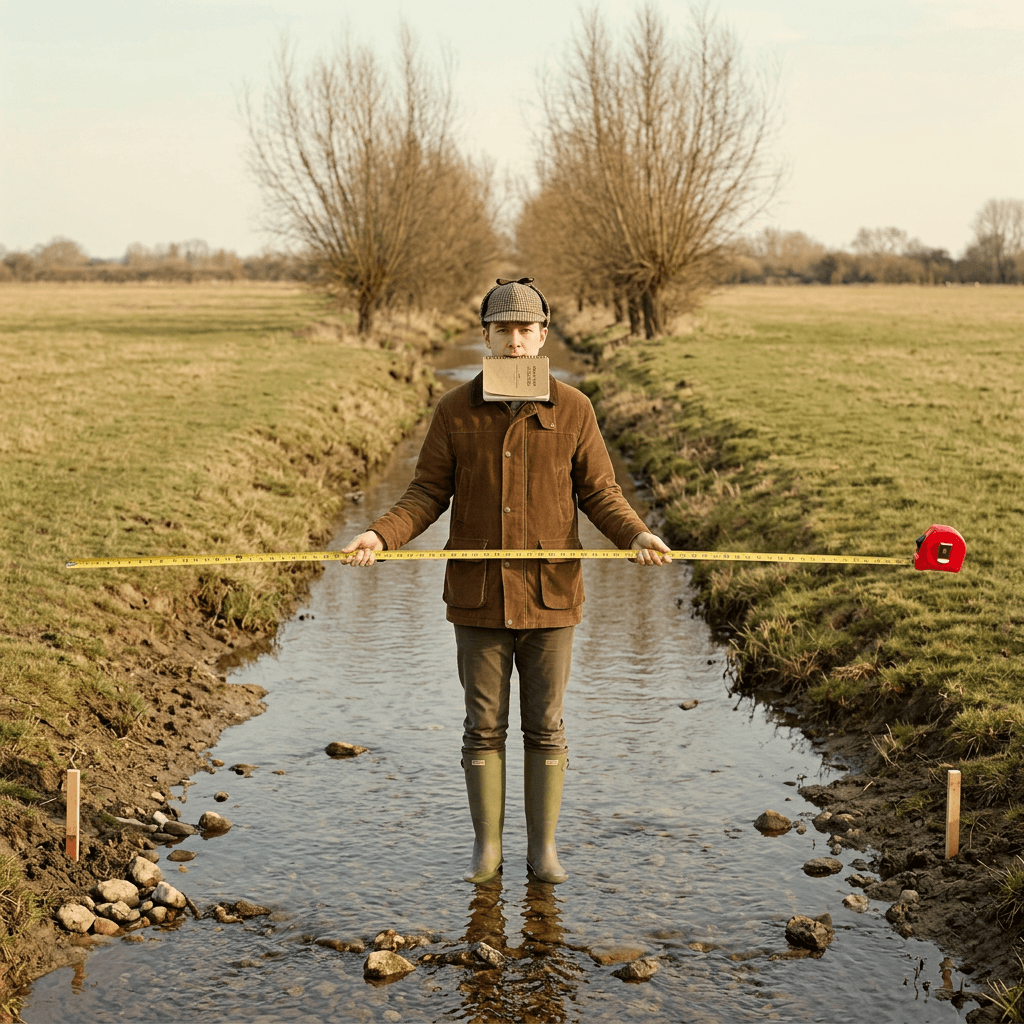
When learning lands, you can tell. You’ll see habits forming, teams reinforcing each other, and real shifts showing up in everyday work. Feel the difference in how decisions get made. It doesn’t shout — but it shows up.
- Team leads coach without waiting for a prompt
- Peer support kicks in naturally
- Proactive questions are the norm
This is the data you’re after. And you need to be a keen observer to spot it. But catching — and celebrating — new behaviours in situ is the best way to make them consistent.
Design for visibility
The right signals only show up if you’ve created space for them. Ask: what should people do if this learning works? Then make it easy to see and support.
- Add reflection prompts to team rituals
- Script your nudges into systems
- Use language they’ll hear (and repeat)
Shine a light
Teach your leaders to spot the good stuff: momentum, mini-wins, behaviour that looks a little braver than last week. When you see it, say it. The more visible the shift, the more likely it sticks.
Reinforce the rhythm
Behaviour change is a slow burn. Measuring what sticks takes time, so check in at 30, 60, and 90 days. Ask what’s shifted, what’s stuck, and what needs a rethink. Smart tools like prompts, peer check-ins, and team reflections help surface the signals that matter most.
Revisit your goals
If you’re doing it right, your learning strategy includes an outline of your goals. Go back to what success looked like in the planning stage.
- What should people do, say, or decide differently?
- “How will we know this worked?”
- What will a leader notice if this lands well?
Link those outcomes to what’s actually happening. Worry less about whether your learners enjoyed the sessions and dive deep on what’s changed, and where you can see it.
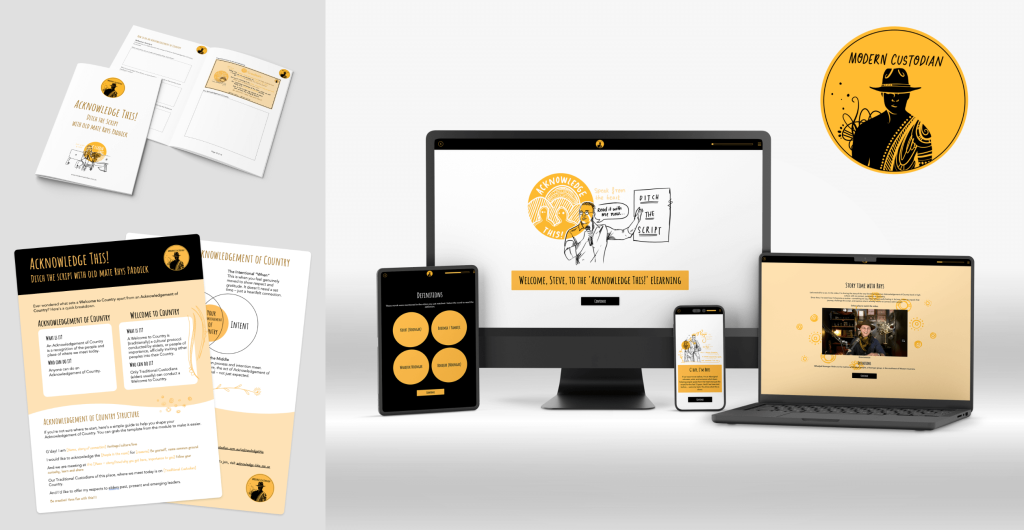
How to deliver an authentic Acknowledgement of Country for Modern Custodian.
The proof is in your culture
When learning sticks, you’ll see it in how people work, talk, and show up for each other. That’s your impact — and the best signal you’re on the right track.
Final real impact
For practical tools, real-world examples, and the strategy behind learning that sticks, head to our guide: How to design learning that changes behaviour. If you’d prefer to talk it out, book a call with Michael and find out how the Hungry Minds Learning Lab helps turn insight into action.
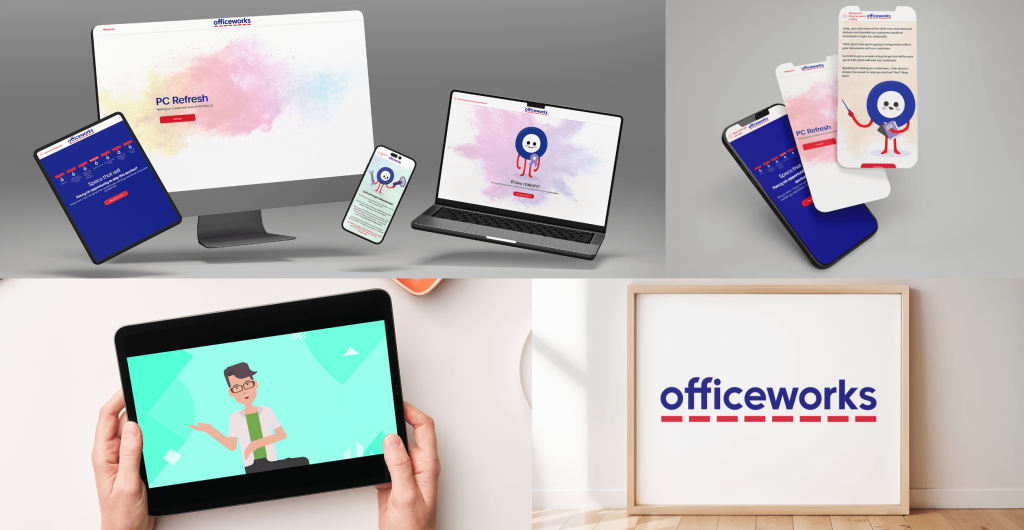
Product training for Officeworks’ sales team.
FAQs
Are people doing things differently? Asking better questions? Making sharper decisions? That’s impact.
At Hungry Minds, we look for signs of behaviour change: improved confidence, faster ramp-up, fewer errors, better conversations. Importantly, we track progress over time – because real learning shows up in the work, not just the workshop.
If you’re clear on the goal, you can track whether it’s actually happening. That might look like faster onboarding, fewer support tickets, more confident conversations, or stronger leadership decisions.
The key is to measure over time, not just at the end of the session.