
Plenty of instructional design courses sound impressive on the sales page – but you need one that’ll hold up in the real world.
Trust us: it’s easy to get stuck in a loop of theory, tool tutorials, and discussion boards. But if you’re switching careers or levelling up your skills, you need clarity. Here’s how to spot an instructional design course that’ll actually sharpen your skills, build your confidence, and show hiring managers you’re ready to roll.

Real projects
Learning is so much more than modules. Look for a course that gets you working on real projects from the beginning – ask the right questions, scope it properly, design for outcomes, test, iterate, and deliver something that works. You want a fully built learning piece for your portfolio.

Feedback and coaching
Even in a self-paced course, you should expect support. Choose a course that includes regular check-ins with someone who knows the job. This coaching is essential to hone your ideas, sharpen your approach, and catch mistakes early. You’ll think more strategically, design with clarity, and communicate like you belong in the room.

Tools and templates
Strong design work starts with the right foundations. Look for a course that hands over the real stuff: project scoping tools, storyboarding templates, briefing frameworks, content models. These tools will help you plan faster, design smarter, and stay focused on the thinking that matters.

Recognised credentials
A solid ID certification shows what you’ve learned and what you’ve done – digital badges, stackable credentials, or a certificate that signals real capability. You’ll want a project you can share, talk about, and use as evidence of your skills.

A connected community
Many heads are better than one! Find a course that builds a proper community – a place where people share insights, give feedback, swap references, and collaborate after the course ends. These are your future collaborators, mentors, and maybe even clients.

You-shaped
You want to design learning that’s strategic, creative, and built for humans. Don’t settle for a course that feels corporate, clunky, or stuck in the past. Look closely at the examples. If they make you think “I wish I made that” – you’re in the right place.
Learn from the best
We looked high and low – and still couldn’t find an ID certification course that combined strategy, creativity, and real capability-building. So we created our own.
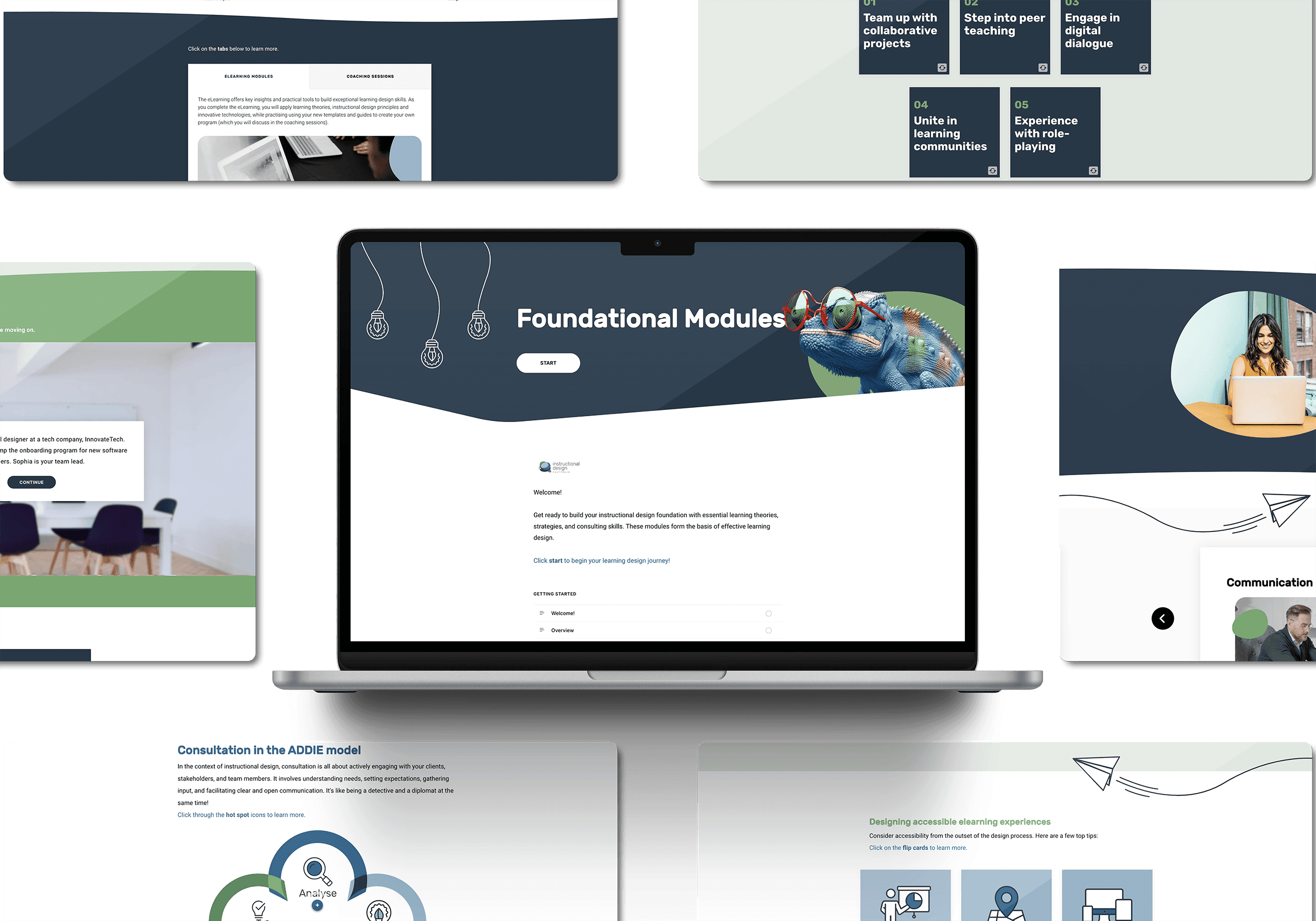
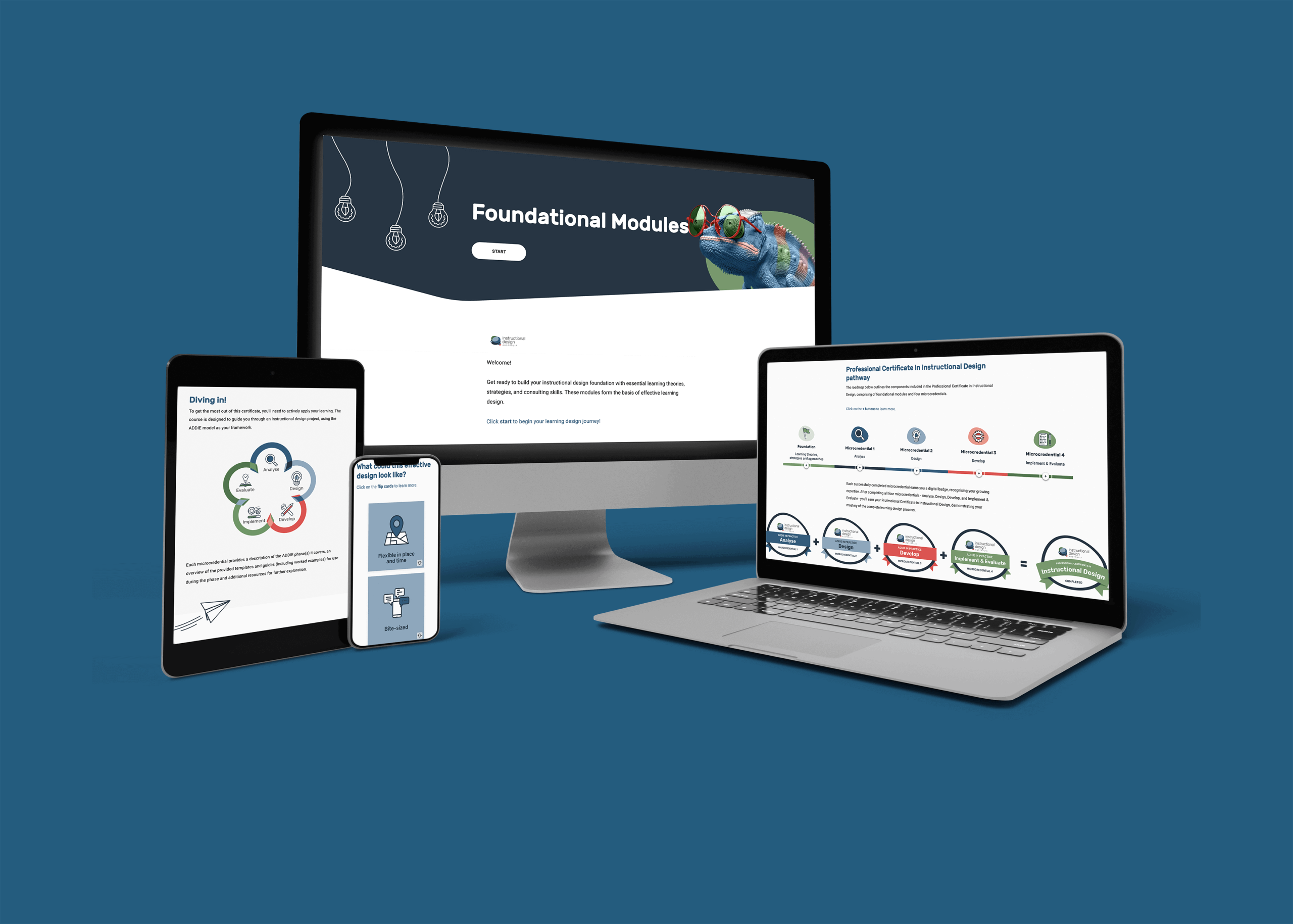
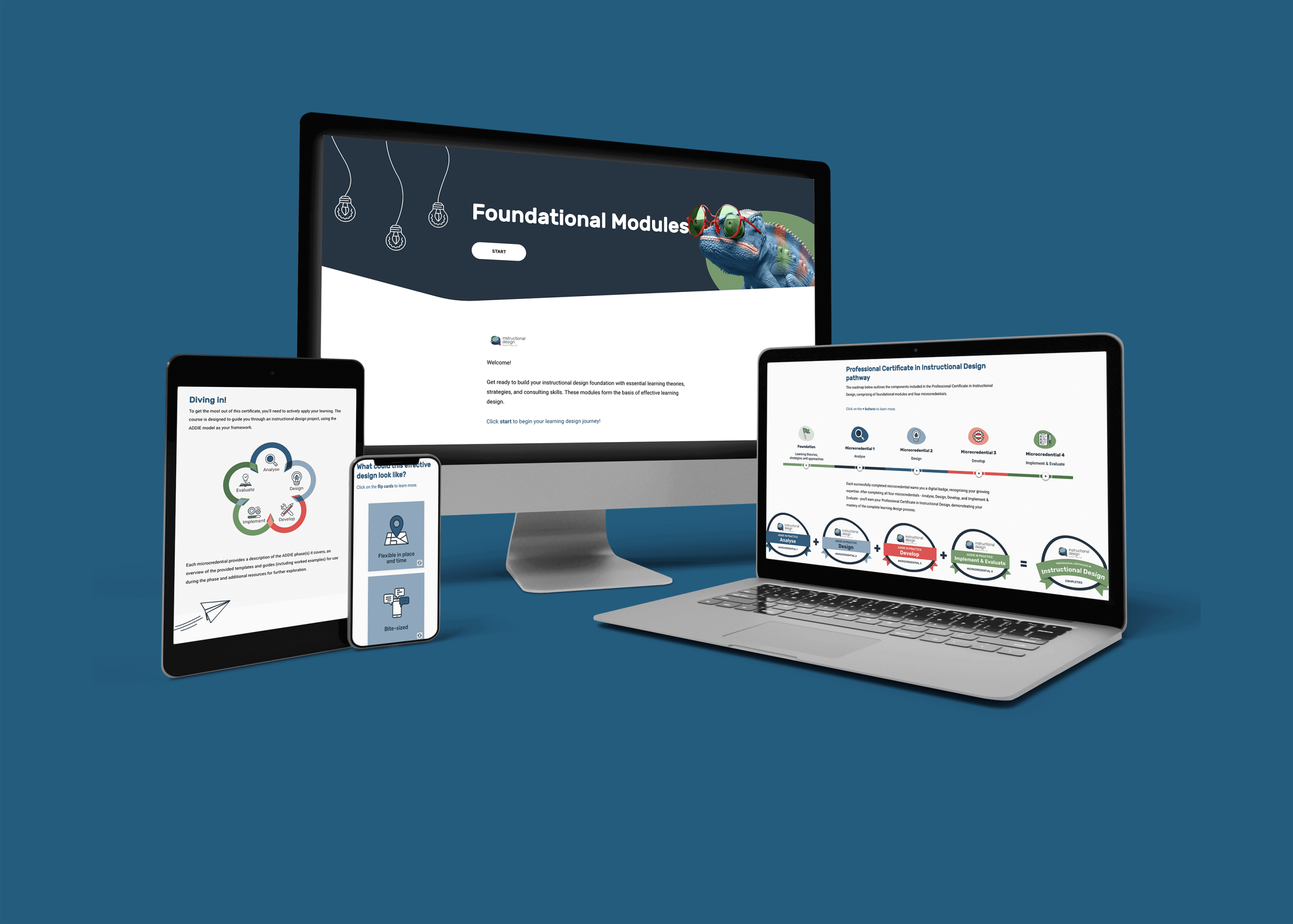
The Hungry Minds Professional Certificate of Instructional Design isn’t like other courses. Here’s what we packed in:
- A real project based on real client work
- 3× one-to-one coaching with a senior instructional designer
- Access to the tools and templates we use on the job
- Four stackable microcredentials
- An alumni network of clever, curious, generous humans
In short, it’s everything you need to brush up on your skills or launch a new career.
Hungry for more?
We love this so much, we wrote the full guide. Check out Instructional Design IRL: A guide for industry pros, BY industry pros. It’s packed with everything you need to know if you’re planning to make instructional design your bread and butter.
Get started today
Explore the Professional certificate in instructional design to turn up the heat in your ID career.