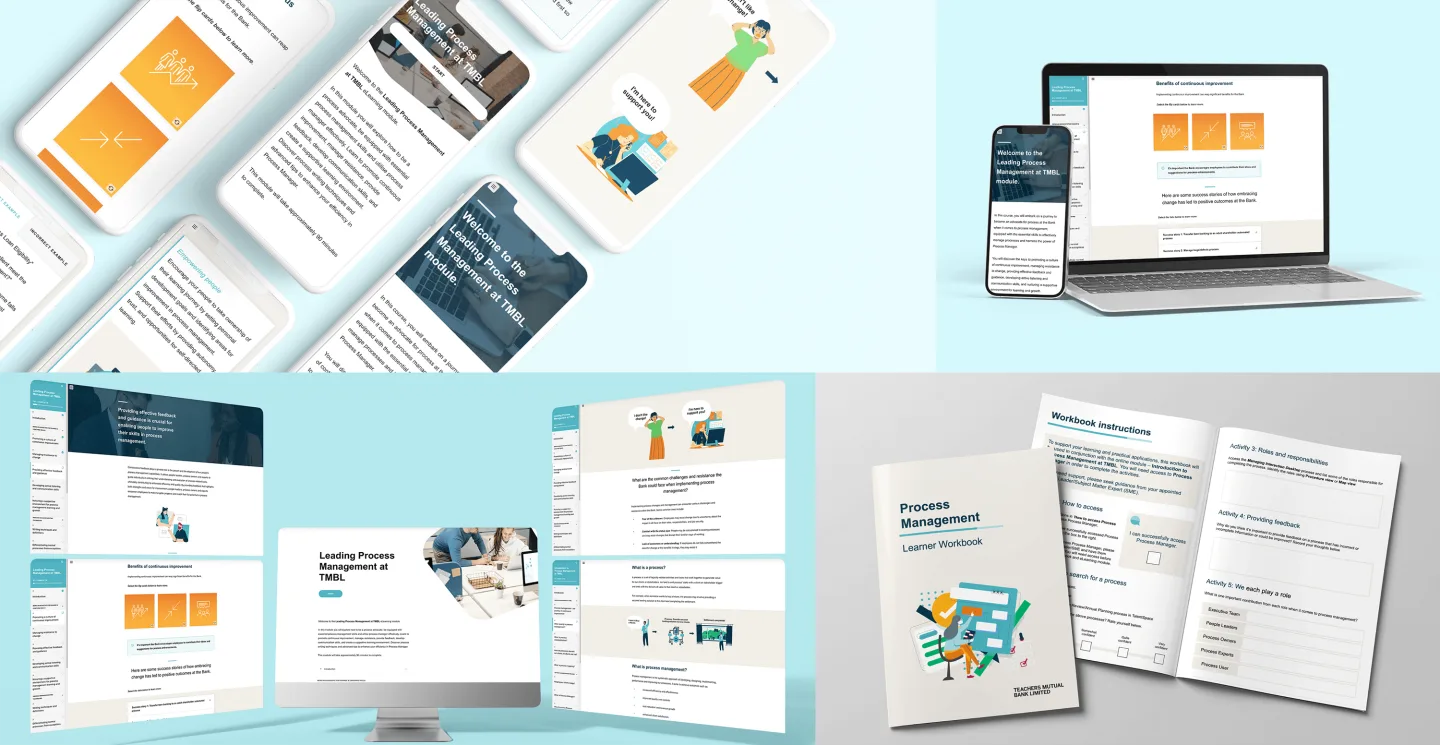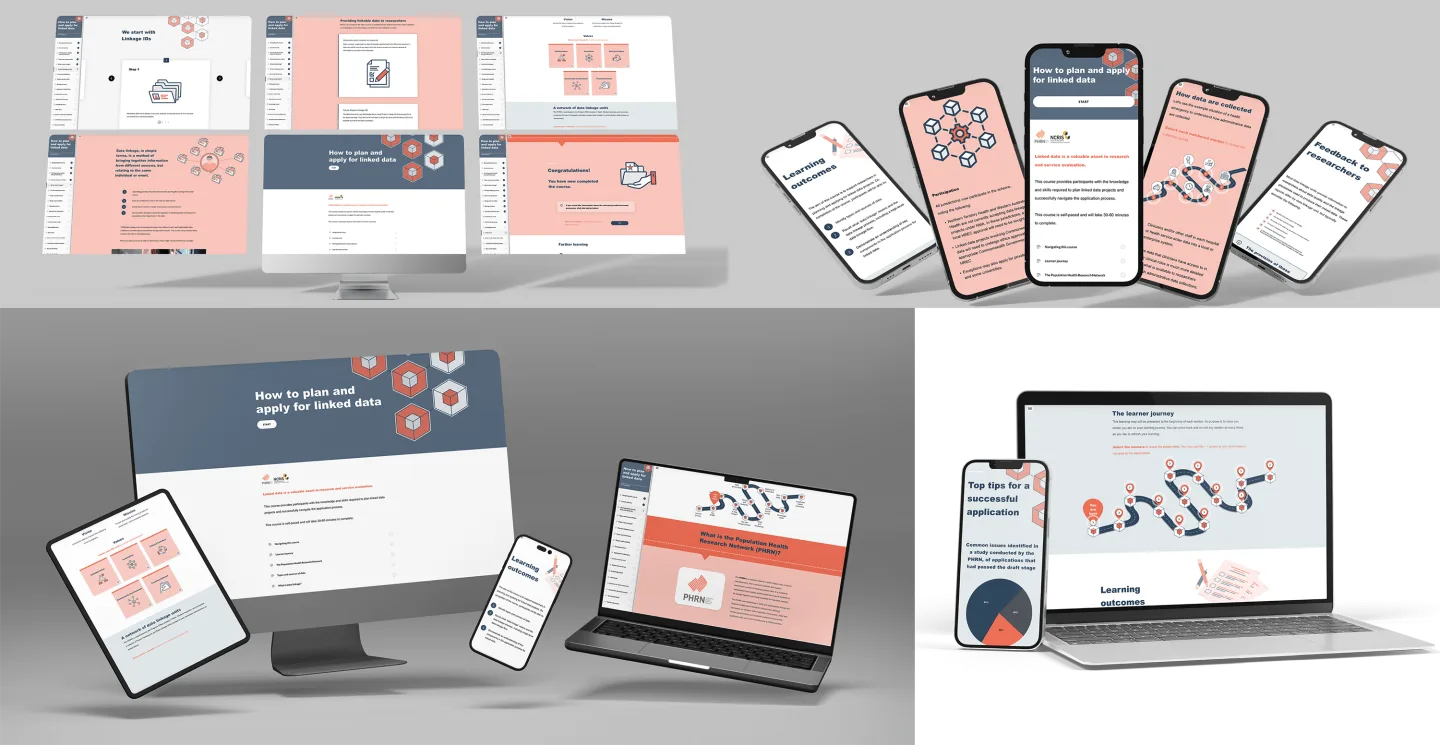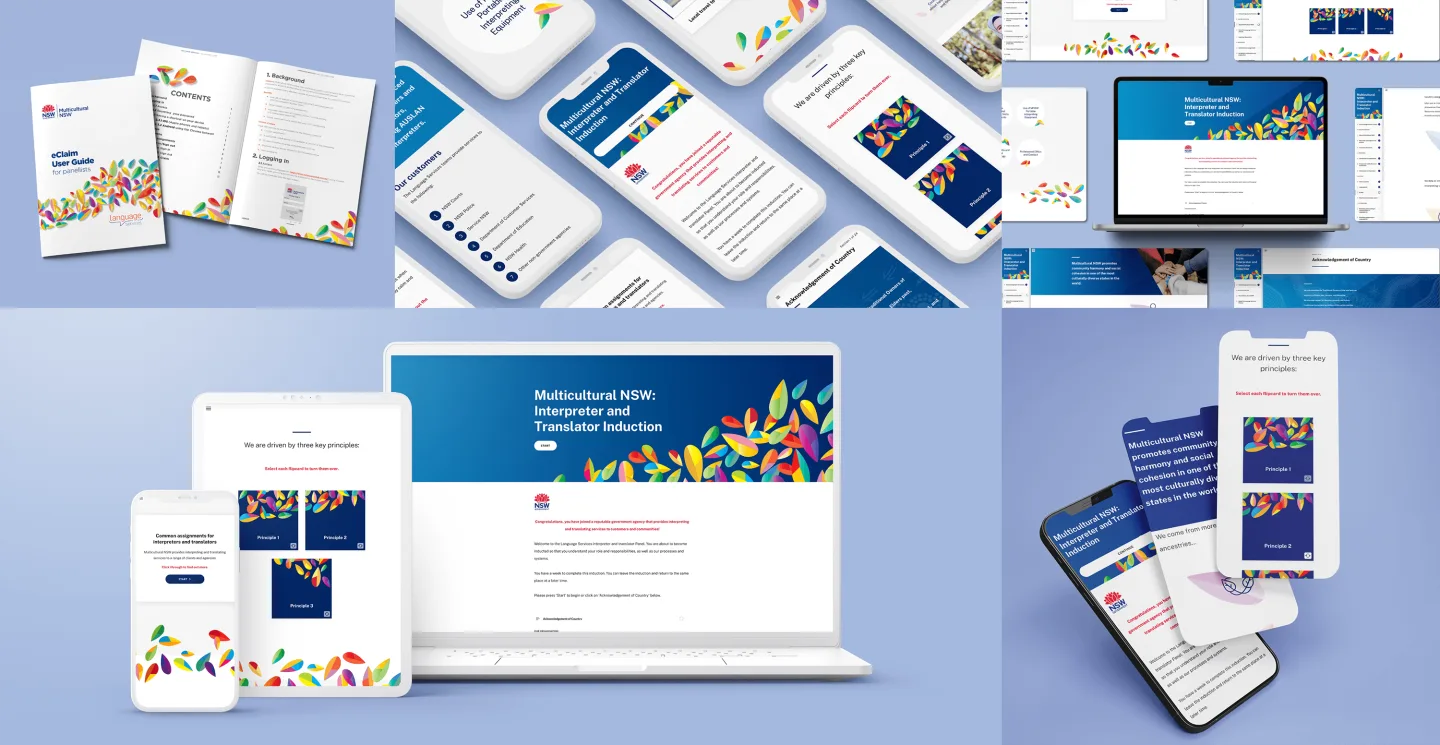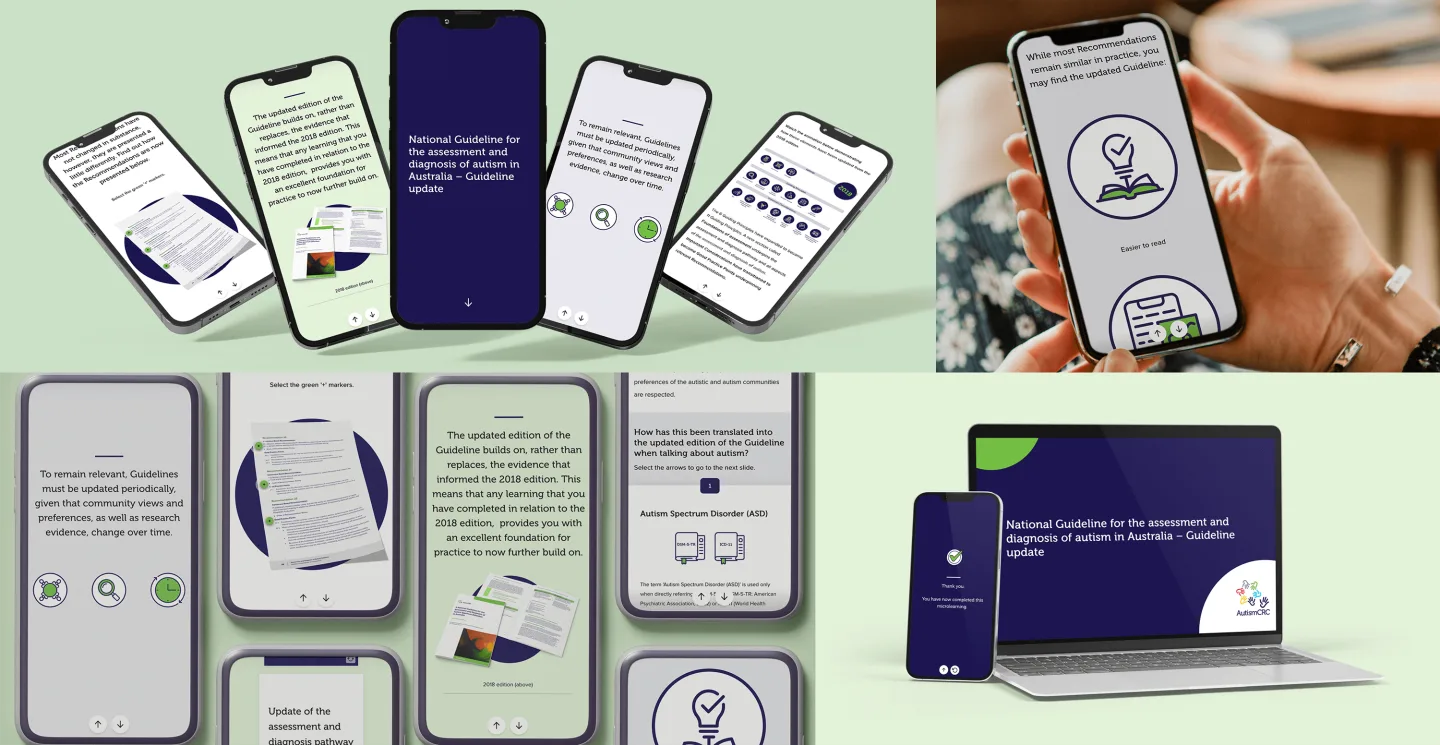


Scaffolding is not about simplifying content or lowering the bar. It’s about giving learners the right support at the right time, then stepping back as their confidence grows. Here’s what it is, where it comes from, and how to apply it well.
What is scaffolding in learning design?
Scaffolding in learning design is an instructional technique that provides temporary support to learners as they build new skills or understanding. As confidence grows, that support is gradually withdrawn, encouraging learners to take on more independently. Think of it as giving people a framework to climb, then trusting them to climb without it.
Scaffolding theory is rooted in Vygotsky’s Zone of Proximal Development (ZPD), the gap between what a learner can do independently and what they can achieve with guidance. Good scaffolding bridges that gap deliberately: structured support is offered, then gradually removed as learners become more proficient.
In practice, scaffolding in learning design takes many forms:
- Breaking complex tasks into smaller, manageable steps
- Providing worked examples or models to follow
- Offering prompts, cues, or hints to guide thinking
- Using visual aids to make abstract concepts concrete
- Structured practice sessions that gradually reduce guidance
The key is that scaffolding supports are temporary and adjustable. As learners gain confidence, you increase the challenge and pull back the support, encouraging greater independence over time.
Scaffolding is not about simplifying content or lowering standards. It’s about providing the right support at the right time, so learners can tackle ideas and skills that would otherwise be out of reach. That takes ongoing assessment, not a set-and-forget approach.
Why scaffolding matters in learning design
Incorporating scaffolding into your learning design arsenal offers numerous benefits:
- Builds learner confidence: Structured support helps people tackle challenges that would otherwise feel out of reach.
- Deepens understanding: Scaffolding bridges the gap between existing knowledge and new, more complex material.
- Develops independent learners: As support fades, learners build self-reliance and stronger problem-solving skills.
- Drives engagement: Learners who feel supported stay motivated, and motivated learners learn more.
- Works across diverse learners: Scaffolding lets you design for different starting points and learning styles within the same program.
Research backs this up. Van de Pol et al. (2010) identified three hallmarks of effective scaffolding: contingency (tailored support), fading (gradual removal of support), and transfer of responsibility (shifting control to the learner). Their research highlighted scaffolding’s measurable positive impact on achievement and skill development.

How to apply scaffolding in your learning design
Here’s how to implement scaffolding in your learning designs:

Chunk complex content into manageable steps
Break complex topics into smaller, digestible pieces. Presenting information in chunks prevents cognitive overload and gives learners time to process each part before the next layer arrives. It’s how you build a solid foundation without burying people in content upfront.

Use worked examples before independent practice
Provide step-by-step solutions before asking learners to solve independently. Demonstrate problem-solving processes with detailed explanations. This gives learners a model to follow, helping them understand the steps involved before tackling similar problems on their own.

Implement think-alouds
Model expert thinking by narrating your reasoning aloud as you work through a problem. Hearing how a skilled practitioner thinks, the decisions they make and why, gives learners a mental framework to follow. It’s one of the most underused scaffolding techniques in workplace learning design.

Create concept maps to show connections
Help learners visualise relationships between ideas. Use diagrams or visual organisers to show how different concepts connect. This aids in understanding complex systems or topics by making abstract relationships more concrete and easier to grasp.

Build in guided practice
Offer opportunities for learners to apply new skills with support before independent practice. Provide structured activities where learners can try out new skills under your guidance. Gradually reduce support as they gain confidence and proficiency.

Close the loop with timely feedback
Provide timely, constructive feedback to guide learners’ progress. Offer specific, actionable comments on learners’ work or performance. This helps them understand their strengths and areas for improvement, guiding their learning journey more effectively.
Real-world examples of scaffolding in learning design
Scaffolding shows up in some of the most effective digital learning tools available today. Here’s how leading platforms put the theory into practice:
- Duolingo: The language learning app employs scaffolding by introducing new vocabulary and grammar concepts in a structured sequence, with plenty of repetition and practice.
- DuoLingo Stories: An extension of the main DuoLingo app, it uses scaffolded reading exercises. Stories start simple and become more complex as learners progress, with integrated translations and comprehension checks.
- Photomath: This app scaffolds math learning by providing step-by-step solutions to problems. Users can scan a math problem and receive detailed explanations, gradually building problem-solving skills.
- Explain Everything: This interactive whiteboard tool scaffolds presentation skills by guiding users from simple to progressively more complex multimedia projects, building capability gradually rather than expecting polish from day one.
Tips for effective scaffolding in learning design
- Know your audience: Scaffold to the learner’s existing knowledge and context, not a generic starting point.
- Start with more, then fade: Provide strong support up front, then reduce it progressively as confidence builds.
- Vary your approaches: Mix scaffolding types, visual, verbal, structural, to reach different learners in the same program.
- Build in reflection: Prompt learners to think about how they’re progressing, not just what they’ve covered.
- Find the right challenge level: Aim for tasks that stretch learners just beyond their current comfort zone, supported but not hand-held.
- Use technology where it fits: Adaptive platforms and digital tools can personalise scaffolding at scale.
- Keep assessing: Regularly check learners’ progress and adjust support as their needs shift.
Scaffolding in learning design: the key takeaways
Effective scaffolding sits in the space between too much support and not enough. Vygotsky’s Zone of Proximal Development (ZPD) tells us that learning is most powerful when learners are pushed just beyond their current abilities, with the right support to meet them there (Wood et al., 1976).
Scaffolding is one of those learning design principles that quietly underpins great programs, even when learners don’t notice it’s there. Design it well, and people feel capable. Design it poorly, and they disengage or plateau. It’s not flashy. But it works.
Ready to put scaffolding to work in your next program? Explore our learning design services or reach out to talk through what your learners actually need.

Frequently Asked Questions about Scaffolding in Learning
Scaffolding in learning theory refers to the temporary, structured support provided to learners as they develop new knowledge or skills. The concept is rooted in Lev Vygotsky’s Zone of Proximal Development (ZPD), the idea that learners can achieve more with guidance than they can independently. Effective scaffolding involves tailored support, gradual fading, and a transfer of responsibility back to the learner over time.
The scaffolding principle in instructional design means designing learning experiences that support learners where they are, then progressively reducing that support as capability grows. In practice, this includes chunking content, using worked examples, providing guided practice, and building in regular feedback, all structured to move learners from supported to independent performance.
Scaffolding supports learning by reducing cognitive overload, building learner confidence, and providing a structured path from novice to competent. Rather than throwing learners into the deep end, scaffolding gives them footholds, examples, prompts, guided practice, that help them engage with material that would otherwise be too complex to tackle alone.
Scaffolding and differentiation are related but distinct. Scaffolding provides temporary support that is gradually removed as a learner grows – it’s about progression. Differentiation means designing different content or tasks from the outset, based on the learners’ needs – it’s about starting points. Both have a role in inclusive learning design, and the best programs often use them together.
References
van de Pol, J., Volman, M., & Beishuizen, J. (2010). Scaffolding in teacher–student interaction: A decade of research. Educational Psychology Review, 22(3), 271-296.
Wood, D., Bruner, J. S., & Ross, G. (1976). The role of tutoring in problem solving. Journal of Child Psychology and Psychiatry, 17(2), 89-100.
Related articles
- Unlocking andragogy: understanding adult learning theory
- Learning architectures: mapping the path from A to B
- What is Instructional Design?
- What are the First Principles of Instruction?