
A training programme without a learning architecture is a collection of content looking for a purpose.
Content without structure doesn’t build capability. It fills time.
A learning architecture is the structural blueprint that maps your entire learning program from start to finish. What learners need to know and be able to do. How they’ll learn it. When each piece fits in. How you’ll know it worked.
Get this right, and everything downstream gets easier. Skip it, and you’ll spend your development budget fixing problems that should have been solved on paper.
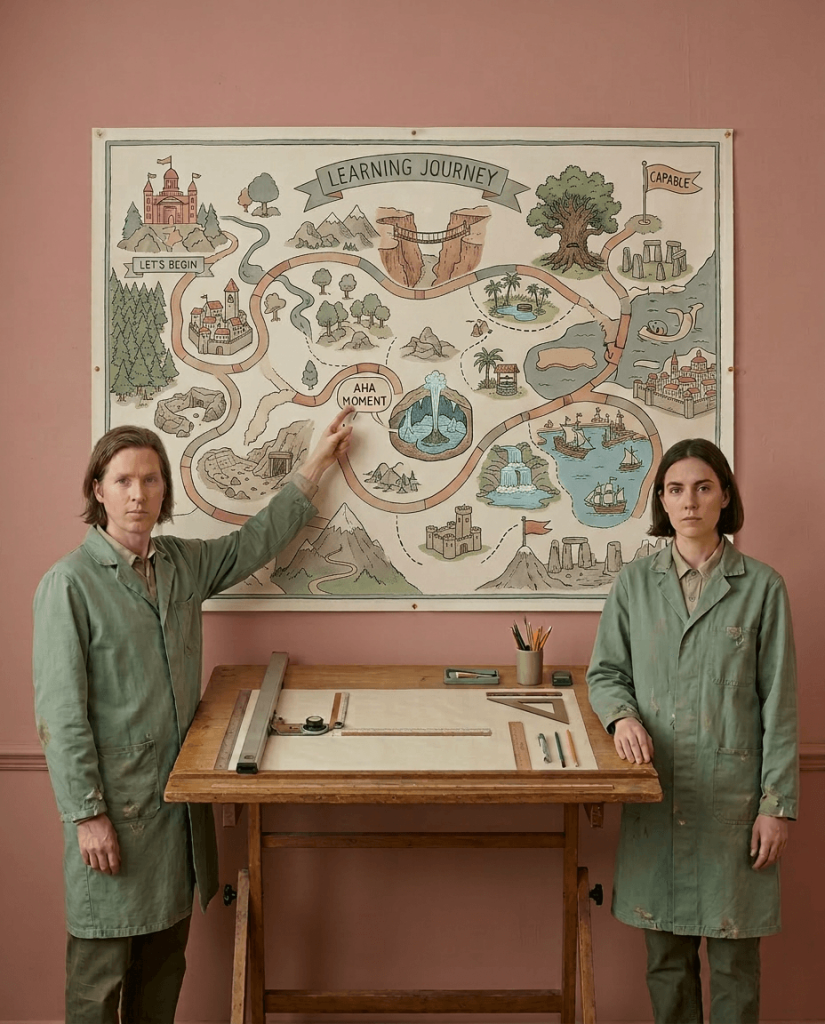
What is a learning architecture?
A learning architecture defines:
- What learners need to know and be able to do
- The sequence of learning experiences
- Which modalities will be used — digital, face-to-face, blended, self-paced, social
- Where assessments and knowledge checks sit
- How the program connects back to your business goals
It combines teaching methods, assessments, and real-world application into a clear, sequenced plan. A plan that stakeholders can see, challenge, and approve before development begins.
Think of it as the answer to: “What does this program actually look like, end to end?”
Why learning architectures matter
- Clarity for stakeholders. A learning architecture translates your training plan into something decision-makers can actually understand. It shows the full picture — scope, sequence, delivery methods, timelines. Faster sign-off. Fewer surprises.
- Learner engagement. When learners can see their development path, they stay engaged. A clear structure shows them where they are, where they’re going, and why each step matters.
- Smarter use of resources. You know what you need, when you need it, and in what format. No last-minute scrambles for subject matter experts or materials that don’t fit.
- Measurable outcomes. With checkpoints built in, you can track progress and demonstrate real value to the business.
- A foundation for development. The architecture feeds directly into detailed design work. It gives your development team a clear brief to build from — so Stage 2 is building, not guessing.
What a learning architecture looks like in practice
A 12-week induction program for new managers. The learning architecture maps it out like this:
- Weeks 1–2: Pre-work. Self-paced eLearning on company values and compliance essentials.
- Weeks 3–4: Workshop 1. A full-day face-to-face session on leadership expectations and team management.
- Weeks 5–6: On-the-job activities. Structured observation tasks with a buddy or mentor.
- Weeks 7–8: eLearning module. Scenario-based digital learning on having difficult conversations.
- Weeks 9–10: Workshop 2. Half-day virtual session on performance management with role-play activities.
- Week 11: Coaching session. One-on-one with a facilitator to review progress and set goals.
- Week 12: Assessment and evaluation. Knowledge check, participant survey, and manager feedback.
Each element has a purpose. Each connects to the next. The learner can see the full path. The stakeholders can see where the budget goes. The development team knows exactly what to build.
That’s a learning architecture doing its job.
Learning architecture examples
Example 1
Click the image to step through the slides. Use the dots to jump to any slide.
Example 2
Click the image to step through the slides. Use the dots to jump to any slide.
Where it sits in the process
A learning architecture lives inside the Design phase of the ADDIE model. At Hungry Minds, we break ADDIE into two stages.
Stage 1: Analyse and Design. This is where the architecture takes shape. You diagnose the problem, define success, understand your audience, and map the solution. The learning architecture is a key output of this stage, alongside the High Level Design (HLD).
The learning architecture is typically a section within the HLD. It provides the structural view of the program, while the HLD goes deeper — content summaries, activity types, resource requirements, and budget options.
Stage 2: Develop, Implement, and Evaluate. This is where you build, launch, measure, and refine. The architecture gives your development team a clear brief. Without it, Stage 2 becomes rework. You build, then fix, then rebuild.
How we create learning architectures
At the core of our methodology is a commitment to evidence-based design and stakeholder collaboration. Here’s how we bring learning architectures to life:
Step 1: Discovery and needs analysis
We begin with a comprehensive discovery session, diving deep into the organisation’s culture, learner demographics, and specific performance gaps. This involves:
- Stakeholder interviews
- Learner surveys and focus groups
- Analysis of existing performance data
- Review of organisational goals and strategies
Step 2: Defining learning outcomes
Based on our findings, we use Bloom’s revised taxonomy to craft learning outcomes. These serve as the foundation for all design decisions, ensuring every element of the program contributes to meaningful results.
Step 3: Curating learning experiences
We select a diverse mix of learning modalities and strategies, tailored to the audience and organisational context. This might include:
- eLearning modules for flexible, self-paced learning
- Virtual instructor-led training for interactive, real-time engagement
- On-the-job learning experiences for practical skill application
- Social learning components to foster peer-to-peer knowledge sharing
- Microlearning elements for just-in-time performance support
We draw on learning theories and research, including:
- The science of learning
- The 70:20:10 learning model
- The first principles of instruction
- Andragogy: Adult learning theory
- Ebbinghaus’ forgetting curve
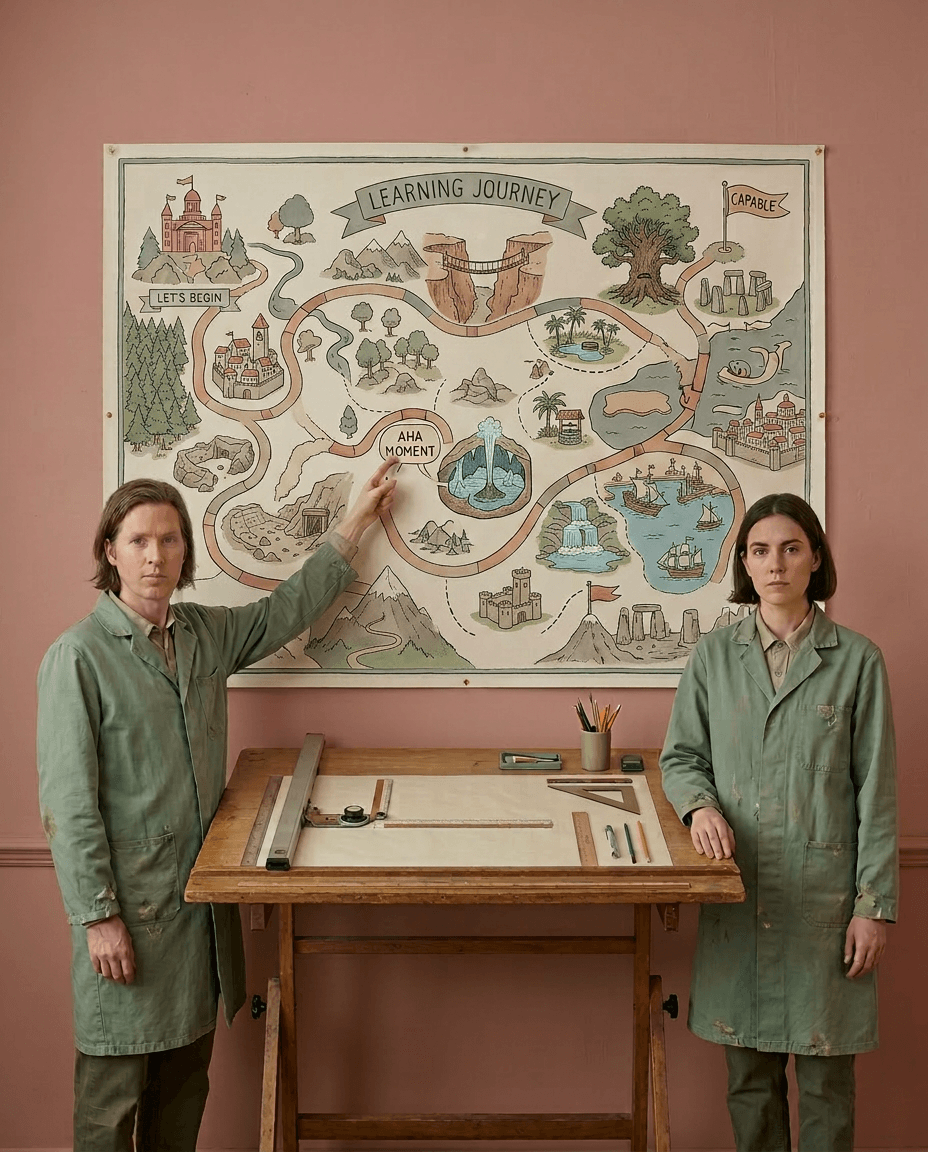
Step 4: Mapping the learning journey
We create a visual representation of the entire learning experience, showing how different components interconnect and build upon each other. This map illustrates:
- The sequence and flow of learning activities
- Estimated time commitments for each component
- Key milestones and assessment points
- Opportunities for practice, feedback and reflection
Step 5: Incorporating assessment and evaluation
We integrate a variety of assessment strategies throughout the architecture, which might include:
- Pre-assessments to gauge baseline knowledge
- Formative assessments to check understanding and provide feedback
- Summative assessments to measure overall learning outcomes
- On-the-job performance evaluations to assess skill transfer
Step 6: Stakeholder review and refinement
We present the learning architecture to key stakeholders for feedback and refinement. This collaborative process ensures alignment with organisational needs and buy-in from decision-makers.
What makes a good vs weak learning architecture
A strong learning architecture is grounded in business needs, audience-first in its design, practical to build within real constraints, and sequenced with intent, accounting for prerequisites, cognitive load, and spaced repetition. Every modality choice has a reason behind it.
A weak one looks like this: vague on outcomes, heavy on content topics but light on what learners actually do with them, disconnected from how people work day-to-day, and built on assumptions nobody has tested. If you haven’t spoken to learners, managers, or subject matter experts, you’re designing in the dark.
From learning architecture to High Level Design
Once the learning architecture is approved, it becomes the foundation for a detailed High Level Design. Think of the architecture as the floor plan. The HLD is the full set of plans — materials, finishes, specifications.
The HLD expands on each component: content summaries, activity descriptions, resource requirements, assessment strategies, and budget options. It also identifies where subject matter expert input will be most valuable, and what learning materials need to be developed from scratch versus adapted from what already exists.
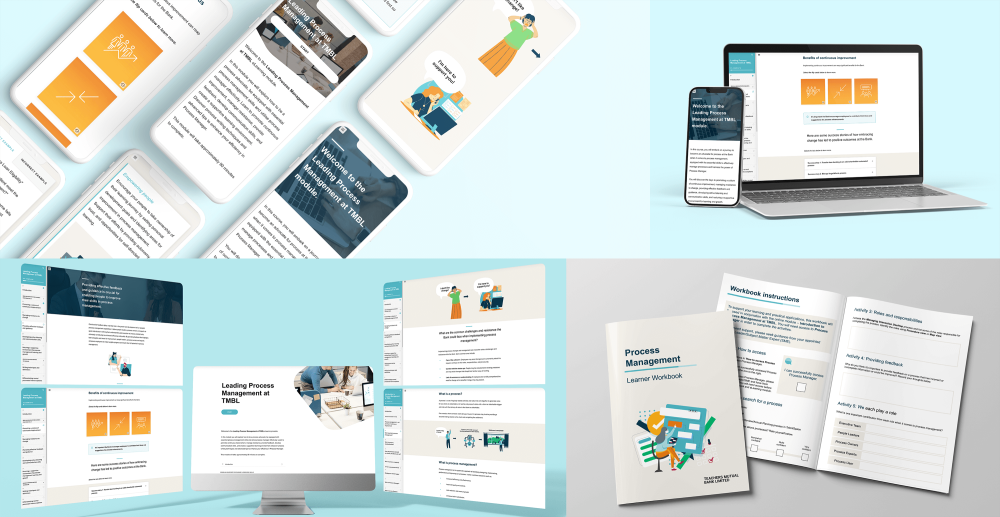
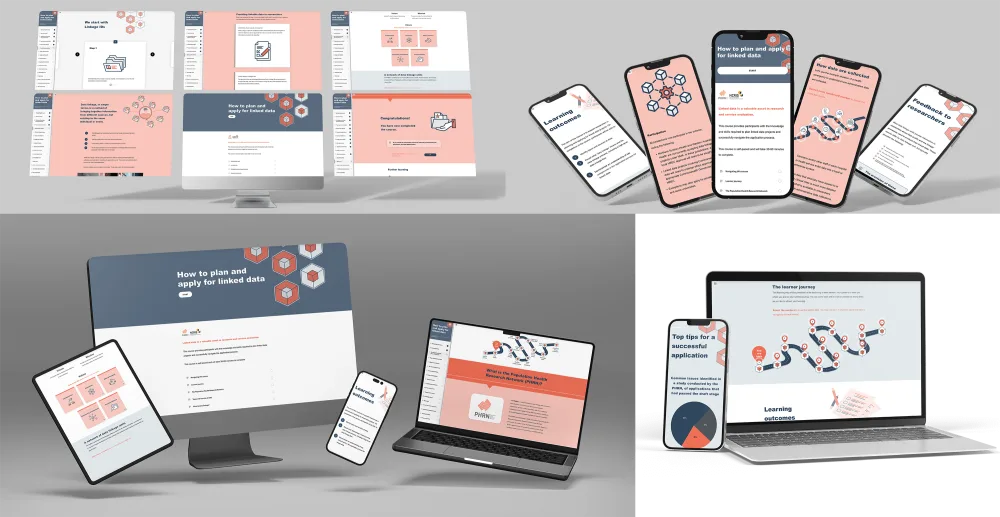
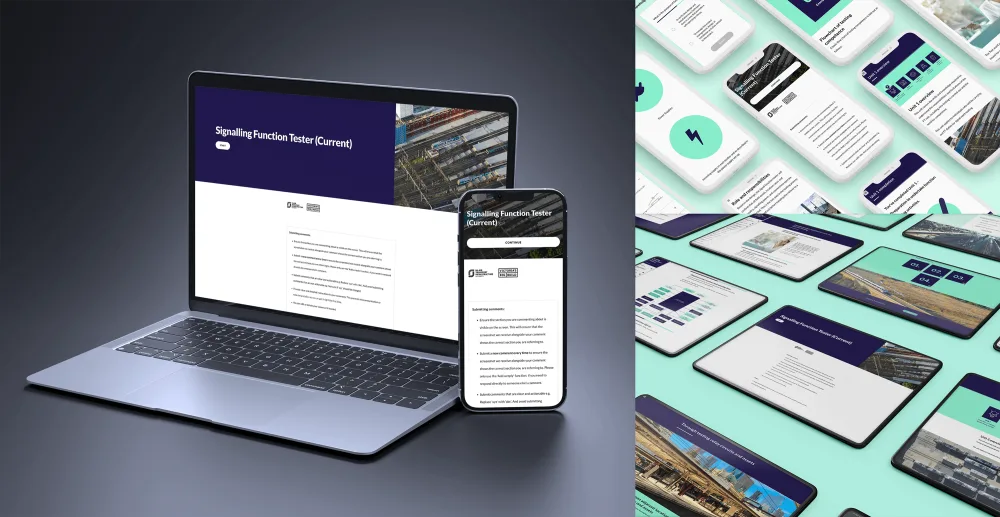
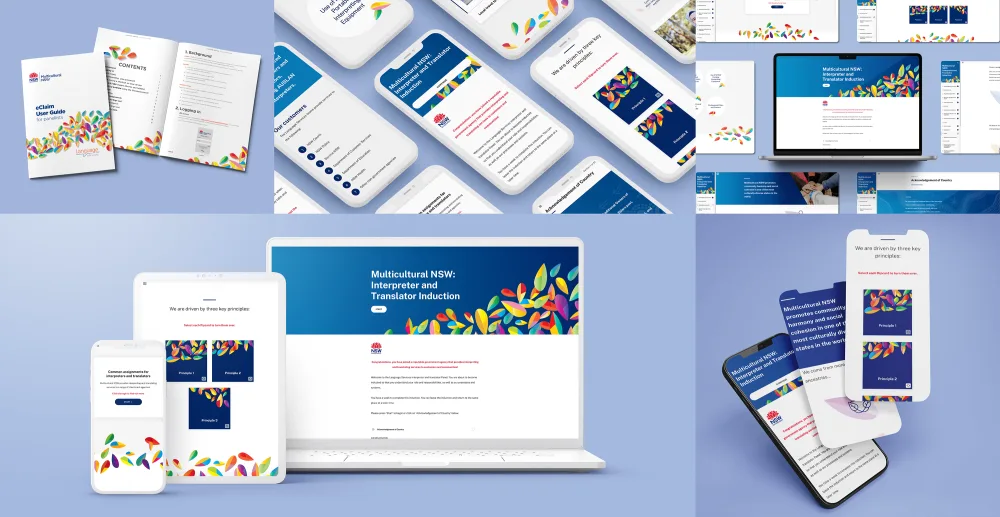
To bring the vision to life, we create mockups showing the look, feel, and functionality of key materials — giving stakeholders a tangible sense of the final product before full-scale development begins.
Both sit in Stage 1 of our ADDIE approach. Both are agreed and signed off before development starts.
Ready to get the structure right?
It’s faster and cheaper to adjust a plan than fix a finished product.
Get in touch or call us on 1300 162 393.
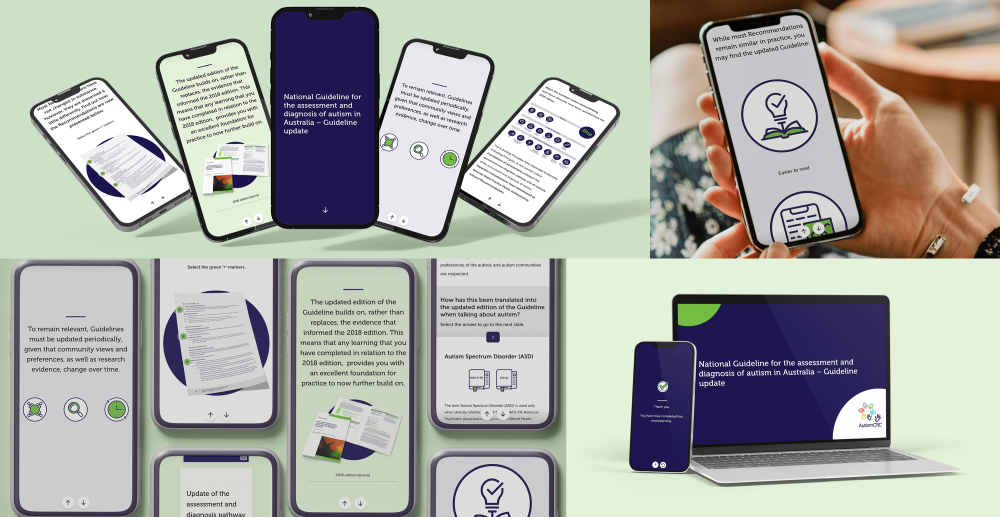
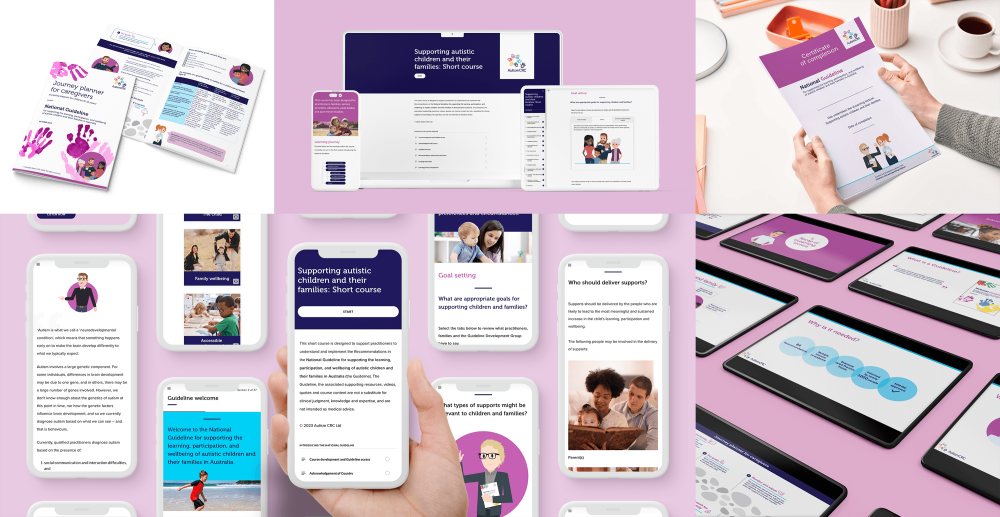
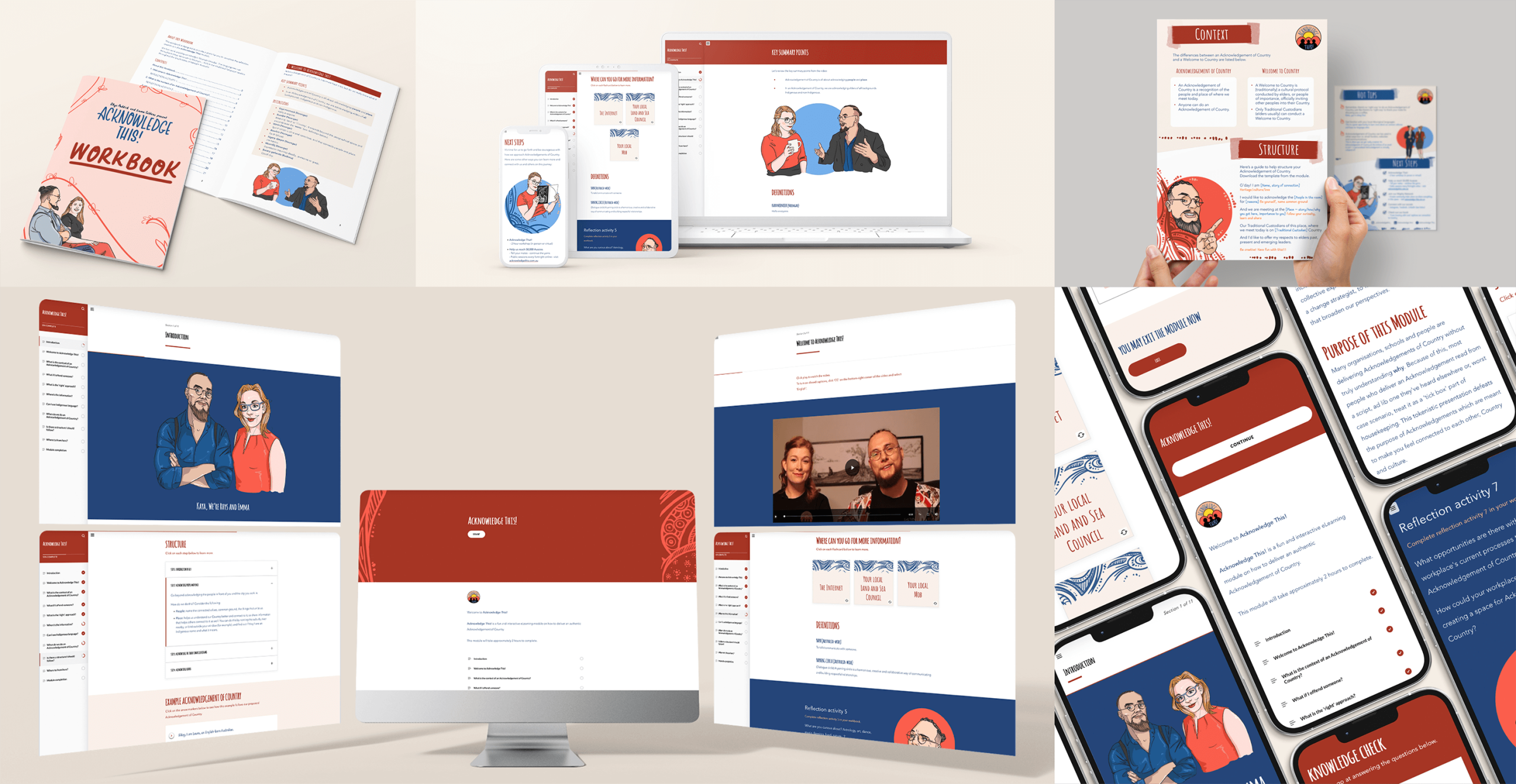
See how we’ve applied this approach with clients like Autism CRC and the YENOM.
Learn more about our learning strategy and learning design services.
Our work