

Here’s how to design learning that actually lands - before you build a single screen.
You’ve got a training brief, a deadline, and a dozen stakeholders pushing content your way. Before you dive into tools, timelines, or templates, take a breath. Smart learning teams always start by asking these five questions.
1. What’s the actual problem?
Spoiler: it’s not always a learning problem. Sometimes it’s a system issue. Or a culture block. Or a process gap that training alone won’t solve.
Before you commit to a course, ask:
- What’s the outcome we want?
- Is behaviour change part of the fix?
- Would a checklist, comms campaign, or better onboarding do the job faster?
2. What does success look like?
If your only success metric is “people completed the course,” you’re aiming way too low.
Consider this:
What should learners be able to do after this?
What will success look like – in practice, on the job?
How will we measure behaviour or performance change?
Success isn’t just about uptake. It’s about outcomes. Start there.
3. Who is this for?
Sounds obvious, but it’s easy to get so caught up in content, we forget about context. Smart learning teams zoom in on their learners – what they know, how they work, and what’s getting in the way.
Ask:
What’s a typical day like for them?
What formats actually fit their workflow?
Where and how do they access learning now?
IRL moment:
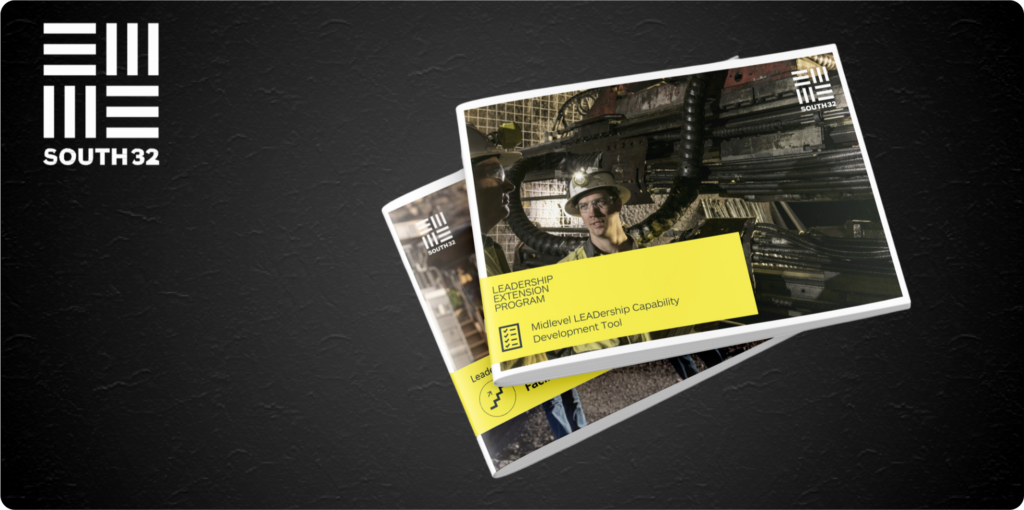
When we worked with South32 on their leadership program, we built in virtual learning circles and guided coaching convos.
That’s because their mid-level leaders were spread across regions – so they needed flexibility and community. The format worked because it was designed around them. Check out the full case study here.
4. What needs to change?
Training should shift something real. A skill. A decision. A mindset. A moment of action.
To get there, ask:
What do we want people to say, do, or decide differently?
What does that look like in their actual job?
What scenarios or tools would support that shift?
This is the difference between learning that ticks a box and learning that builds fluency.
5. What support will make it stick?
Learning doesn’t live inside a single module. It lives in what happens next. And smart teams design with reinforcement in mind from the start.
Ask yourselves:
What support, coaching, or nudges will help embed this?
Are there systems or habits we can tie into?
How can we keep this alive after the course ends?
Discovery = good design
If you’re building learning without asking these five questions, you might end up solving the wrong problem – or building the right thing the wrong way. Remember: The best learning comes from the smart design decisions you make before development begins.
It’s about understanding your people, your goals, and what actually needs to shift.
We wrote The Digital Learning Design Playbook to help teams like yours do this work right – from the very first question to the final result. It’s packed with practical tools, smart strategies, and experience-backed insights that help you build digital learning that makes a difference.
If you’re ready to shape your next project, head to the Playbook or book us by giving a call on 1300 162 393. bring great answers to life.
FAQS
One big challenge is human connection. Digital learning can sometimes feel isolating – especially if it’s all screen, no interaction. Without thoughtful design, learners can miss out on discussion, feedback, and those “did you get that too?” moments that help ideas stick.
That’s why good digital learning isn’t just content – it’s conversation, collaboration, and context. The tech’s only as good as the thinking behind it.
Technology can open up a world of possibilities – but it’s not a magic fix. Some common drawbacks include:
- Limited access to devices or reliable internet (yes, it still happens)
- Tech issues that disrupt the flow – slow load times, clunky UX, forgotten passwords
- A lack of social interaction or hands-on practice
- The temptation to scroll, skim, or switch off
- Over-designing the experience – bells and whistles without real learning
The key is using tech with purpose. When it’s chosen thoughtfully and backed by good learning design, it becomes an enabler – not a distraction.