
Induction that sticks: what the research says
Most inductions are built to answer one question: has this person seen the policies? That is compliance, and it matters. But it is the smallest part of…
Read moreLearning design is the craft of shaping content, structure and practice so people actually learn — not just sit through a slideshow. This hub explains what it is, who does it, and the frameworks that keep it honest. Built for L&D and HR leaders who need training to change behaviour, not just tick a box.
Learning design is the difference between a course that ticks a box and one that changes how people do their job. It blends learning science, structure and practical design so adults actually retain and apply what they learn — not just sit through a slideshow and forget it by Friday.
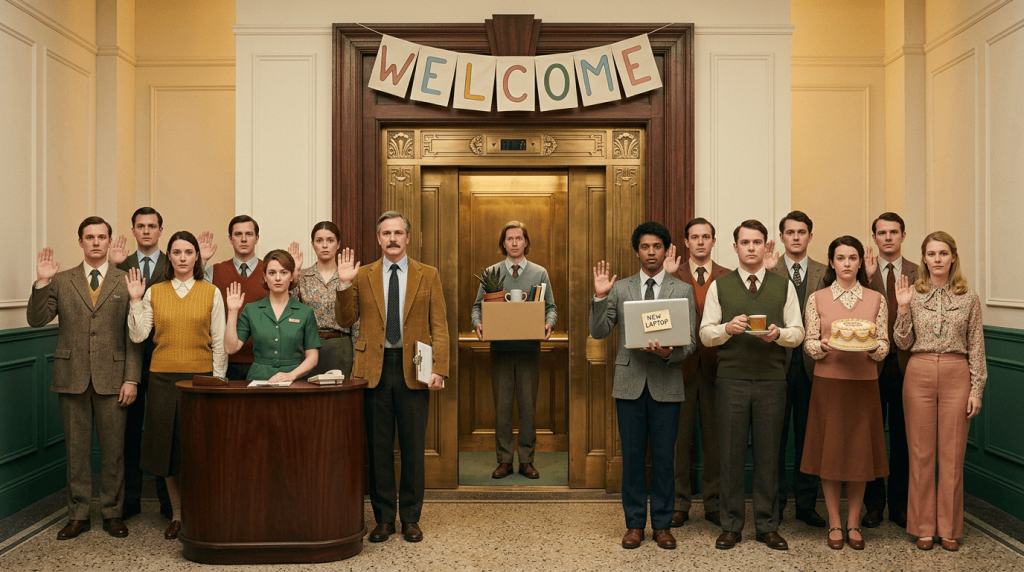
Most inductions are built to answer one question: has this person seen the policies? That is compliance, and it matters. But it is the smallest part of…
Read moreLearn how smart design can boost engagement – and how small changes can unlock big shifts in attention, effort, and impact. We’ve all been there…
Read moreSmart design. Real impact. A practical guide to digital learning that works. By Bianca SchimizziDirector & Lead Instructional Designer | Hungry Minds…
Read moreLooking to create leadership training that drives real behavioural change? The secret lies in experiential learning design. Research shows that leaders…
Read moreGen Z is transforming the workplace. As they climb the corporate ladder, they’re bringing fresh perspectives and digital expertise with them…
Read moreEver wondered why some people can devise complex strategies in seconds while others create stunning visual solutions? Or why your colleague remembers…
Read moreHungry Minds are expert in eLearning and learning design solutions tailored for the health and community industries. Our programs have enhanced staff…
Read moreLearning architectures are more than just pretty diagrams – they're strategic tools that ensure learning programs are thoughtfully designed…
Read moreGoodbye boring bullet points, hello captivating narratives! Storytelling harnesses the power of emotion to create memorable, inspiring learning…
Read moreNeed help with learning design?
Let’s talkWe turned Clare Valley's service promise into a pick-and-mix learning campaign for cellar door teams, with eLearning, podcasts and job aids. See how.
Read articleLearning design is the difference between a course that ticks a box and one that changes how people do their job. It blends learning science, structure and practical design so adults actually retain and apply what they learn — not just sit through a slideshow and forget it by Friday.
Good learning design starts with the performance gap, not the content, then shapes the path, the practice and the assessment around a measurable outcome. It’s a discipline, not a template.
“Learning designer” is a big umbrella, and the roles under it are easy to mix up. Knowing which specialist your project actually needs saves budget — and saves an expensive rebuild down the track. Most serious programs lean on more than one of these at different stages.

Structures content, sequencing and assessment around learning outcomes.
Builds the course in tools like Rise 360 or Storyline 360.
Shapes the end-to-end learner journey and experience.

Works at the program and organisation level, not just the course.
Good learning design runs on method, not guesswork. ADDIE — analyse, design, develop, implement, evaluate — is the proven backbone and the basis of how we work. Backward Design flips the order and starts from the outcome. Newer, evidence-led models fold in cognitive load and spaced practice so learning actually sticks.
The guides below explain how each framework works and, more usefully, when to reach for it — because no single model fits every project.
A compliance module for a hospital and an onboarding course for a fintech are worlds apart — different risks, different regulators, different learners on different shifts. We’ve designed for government, health, financial services and high-risk industries, and the craft adapts to each. Same result across all of them: learning that sticks.
The things people ask us most. Got something else? We’re happy to chat.
Ask a question