
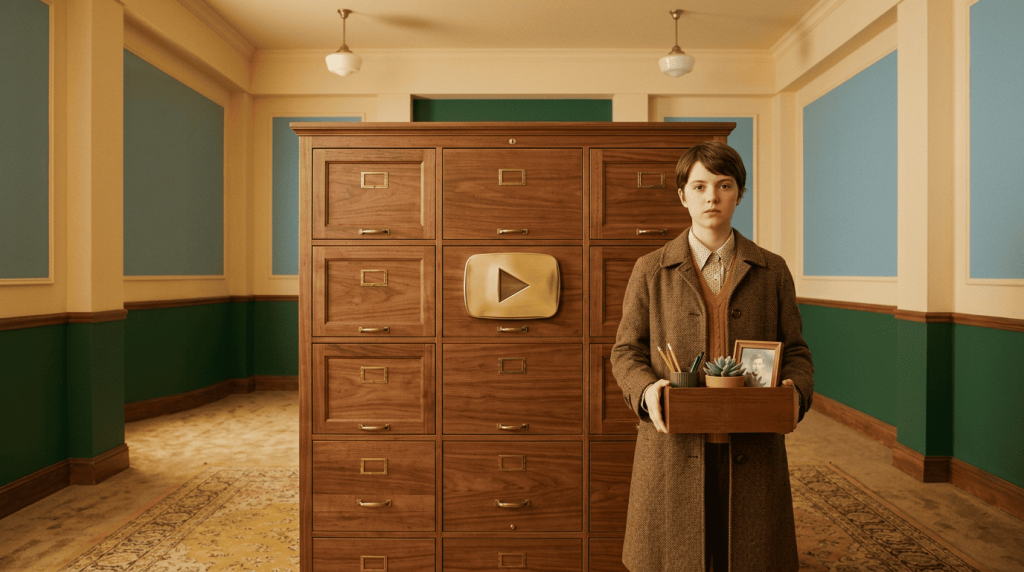
Your induction is a filing cabinet with a play button
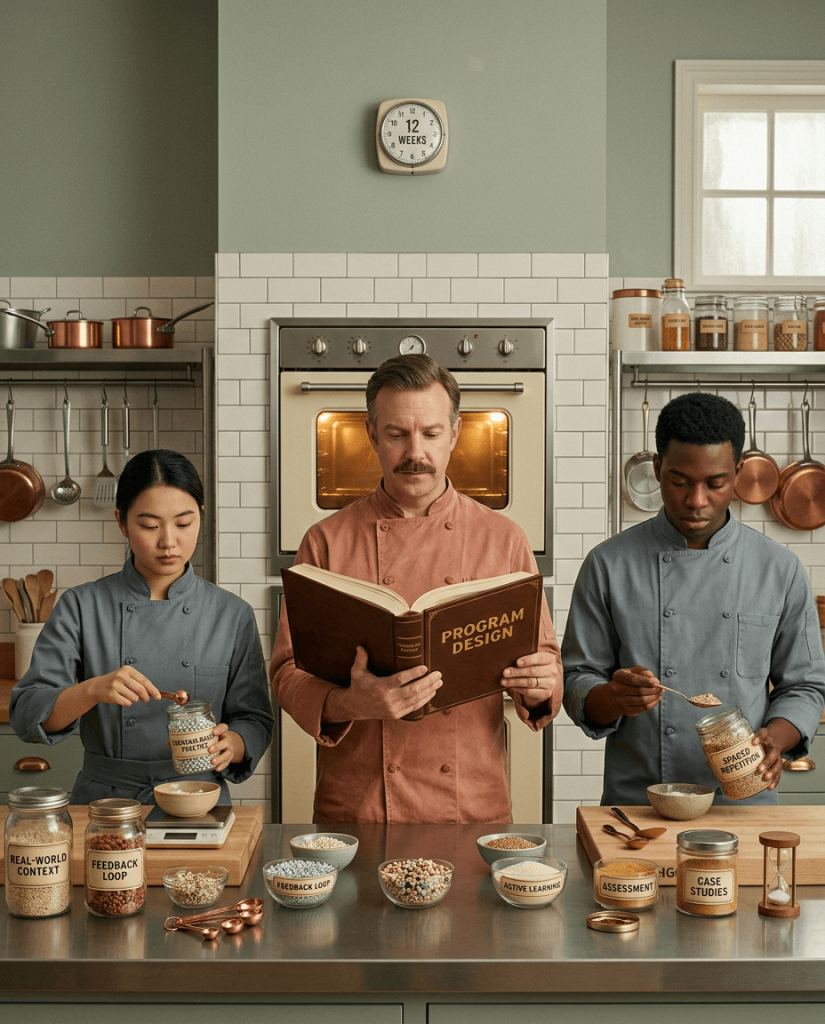
Most inductions are a filing cabinet with a play button. The four jobs an induction has to do, the ingredients, and a 90-day recipe you can build yourself.
Read moreLearning design is the craft of shaping content, structure and practice so people actually learn — not just sit through a slideshow. This hub explains what it is, who does it, and the frameworks that keep it honest. Built for L&D and HR leaders who need training to change behaviour, not just tick a box.
Learning design is the difference between a course that ticks a box and one that changes how people do their job. It blends learning science, structure and practical design so adults actually retain and apply what they learn — not just sit through a slideshow and forget it by Friday.
Most inductions are a filing cabinet with a play button. The four jobs an induction has to do, the ingredients, and a 90-day recipe you can build yourself.
Read moreTest and update upfront lets confident learners prove competence in minutes, not 40. Respect adult learning principles and cut wage cost. See how Hungry…
Read moreLearning design turns a business problem into learning that changes behaviour. See what it involves, the process behind it, and how to get it right.
Read moreMost online courses don't sell, and fewer get finished. Learn how to create an online course with the right design, tech stack, and strategy. Hungry Minds.
Read moreA high level design blueprints your learning solution before anything gets built. See how Hungry Minds uses HLDs to cut rework and improve learning…
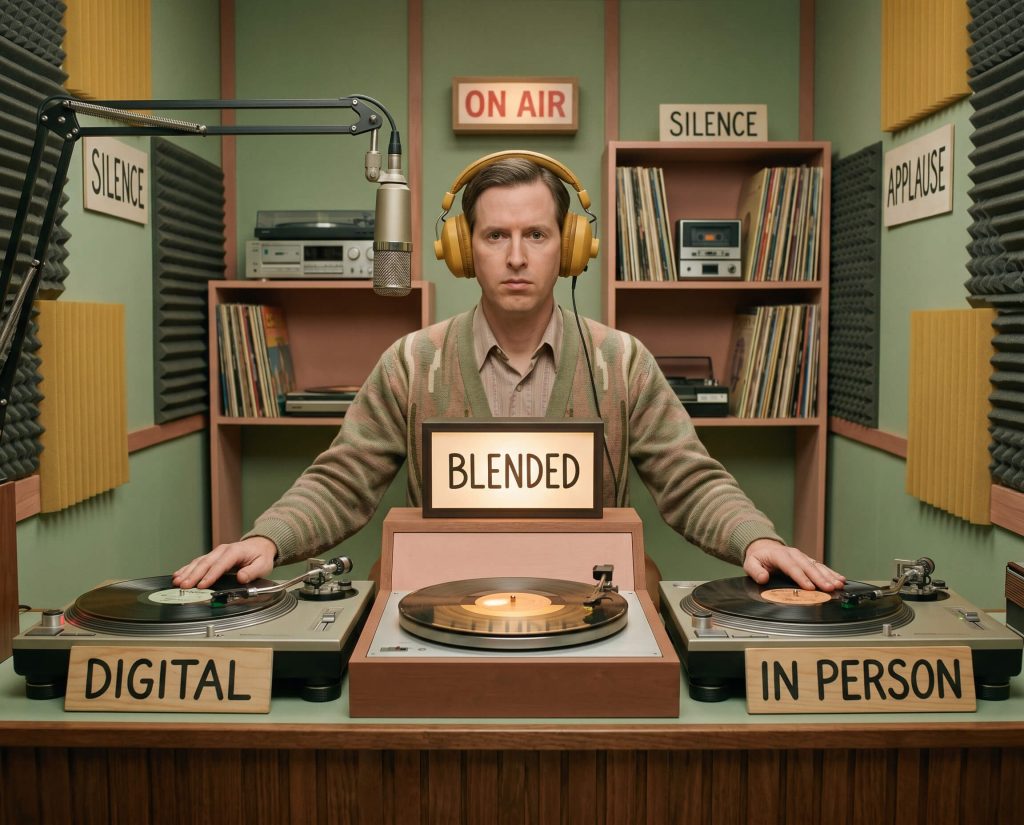
Read moreBlended learning combines face-to-face and digital training. Discover the definition, key models, benefits, and how to design it well for your team.
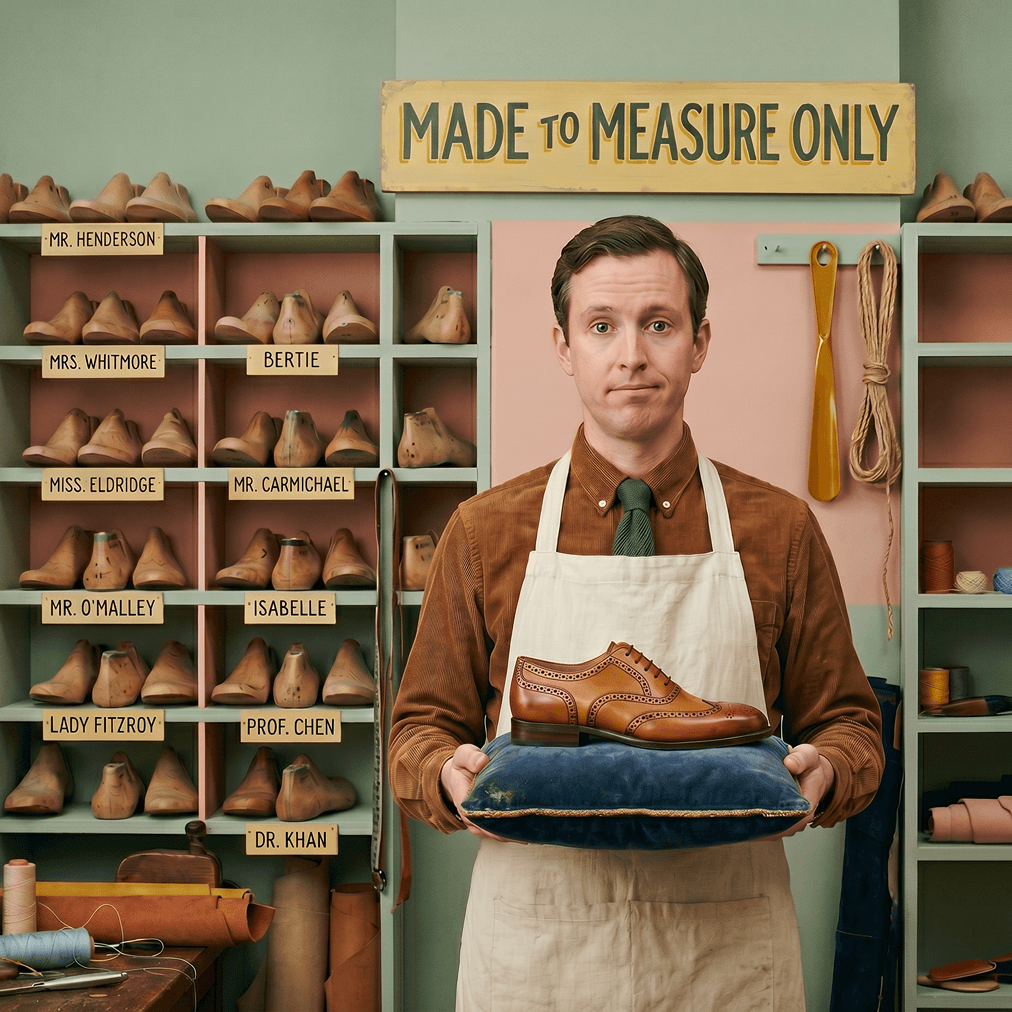
Read moreWhat is custom eLearning development, and why does it outperform generic courseware? Hungry Minds builds eLearning that fits your people and gets results.
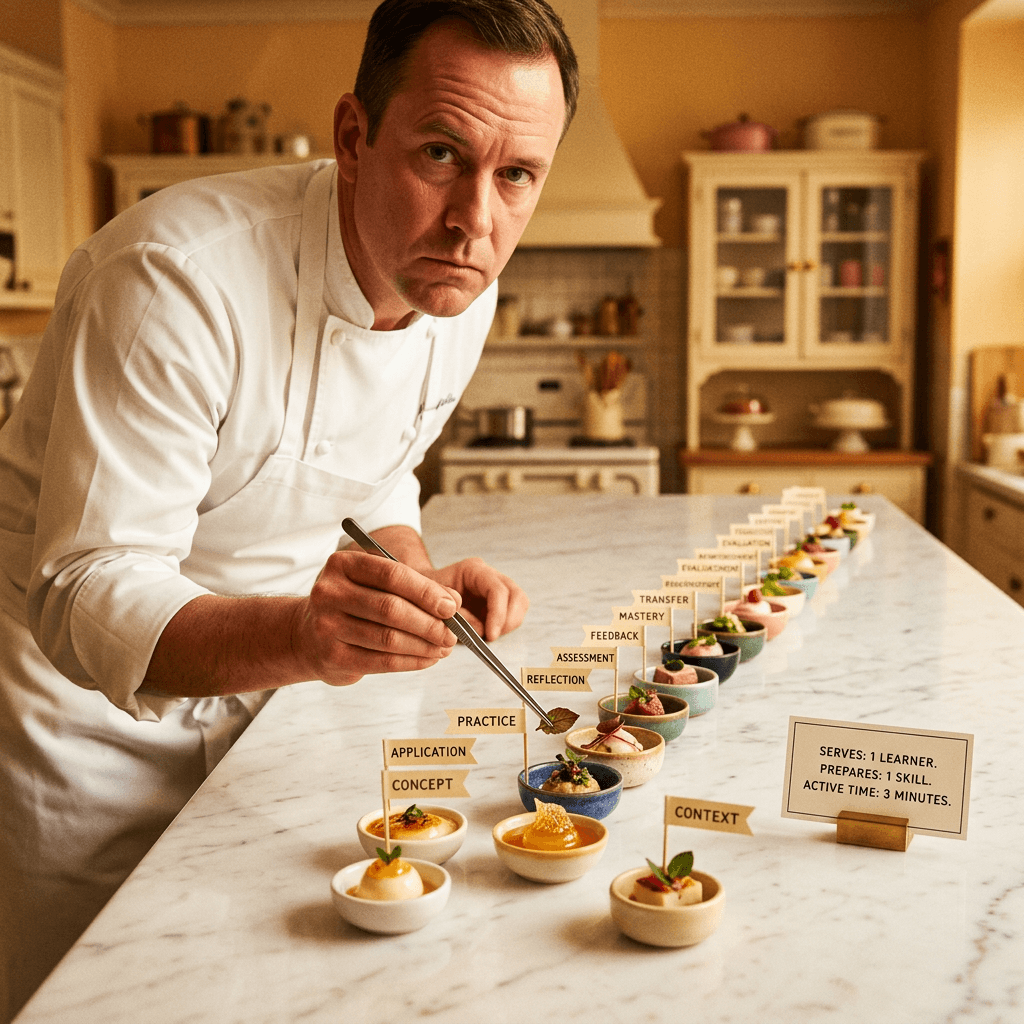
Read moreWhat is microlearning and does it actually work? Hungry Minds explains the benefits, real-world examples, and how to build microlearning modules that…
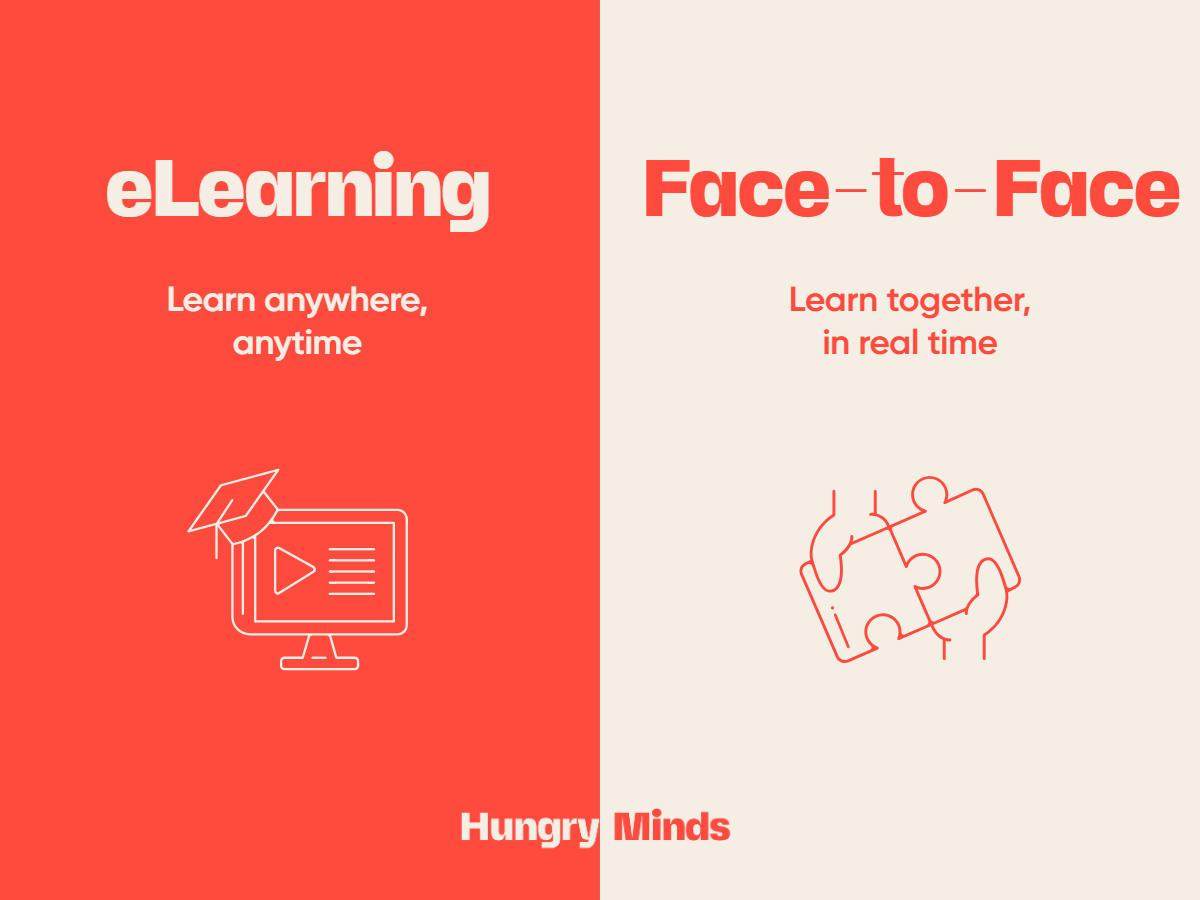
Read moreeLearning vs face-to-face learning, which delivers better results? Hungry Minds breaks down the evidence and makes the case for a smarter approach…
Read moreNeed help with learning design?
Let’s talkWe turned Clare Valley's service promise into a pick-and-mix learning campaign for cellar door teams, with eLearning, podcasts and job aids. See how.
Read articleLearning design is the difference between a course that ticks a box and one that changes how people do their job. It blends learning science, structure and practical design so adults actually retain and apply what they learn — not just sit through a slideshow and forget it by Friday.
Good learning design starts with the performance gap, not the content, then shapes the path, the practice and the assessment around a measurable outcome. It’s a discipline, not a template.
“Learning designer” is a big umbrella, and the roles under it are easy to mix up. Knowing which specialist your project actually needs saves budget — and saves an expensive rebuild down the track. Most serious programs lean on more than one of these at different stages.
Structures content, sequencing and assessment around learning outcomes.
Builds the course in tools like Rise 360 or Storyline 360.
Shapes the end-to-end learner journey and experience.
Works at the program and organisation level, not just the course.
Good learning design runs on method, not guesswork. ADDIE — analyse, design, develop, implement, evaluate — is the proven backbone and the basis of how we work. Backward Design flips the order and starts from the outcome. Newer, evidence-led models fold in cognitive load and spaced practice so learning actually sticks.
The guides below explain how each framework works and, more usefully, when to reach for it — because no single model fits every project.
A compliance module for a hospital and an onboarding course for a fintech are worlds apart — different risks, different regulators, different learners on different shifts. We’ve designed for government, health, financial services and high-risk industries, and the craft adapts to each. Same result across all of them: learning that sticks.
The things people ask us most. Got something else? We’re happy to chat.
Ask a question